 Healthspan Nutrition

Understand inflammation.
Support everyday wellness.
Inflammation is part of how your body responds to injury and infection. When it persists, it can become a health concern. Understanding the difference is a useful starting point for making informed choices about your well-being.1
Two patterns of inflammation.
Inflammation helps protect the body. How long it continues—and what is causing it—matters.1
A short-term protective response
Usually settles as the injury heals or the underlying trigger resolves. Duration varies with the cause.
- Injury or infection
- Protective response
- Settles as cause resolves
Explore acute inflammation
- What happens
- The immune system responds to an injury or infection, helping address the problem and begin tissue repair.
- How long it lasts
- Usually settles as the injury heals or the underlying trigger resolves. Duration varies with the cause.
- What you may notice
- Local redness, warmth, swelling or tenderness—for example, around a minor cut.
- Why it matters
- It is an important part of the body’s defense and healing processes.
An inflammatory response that persists
Can persist for months or years, sometimes without noticeable symptoms.
- Inflammatory response
- Ongoing activity
- Months or years
Explore chronic inflammation
- What happens
- Inflammatory activity continues over time. It can have different underlying causes and may affect healthy tissues.
- How long it lasts
- Can persist for months or years.
- What you may notice
- Signs can be less obvious, and inflammation may occur without noticeable symptoms. Symptoms alone cannot establish the cause.
- Why it matters
- When inflammation persists, it can contribute to tissue damage and health problems over time.

Why inflammation matters as we age.
Researchers study persistent, low-grade inflammation as one of the processes involved in aging. Understanding its role is part of a much bigger picture.2
Genetics, nutrition, movement, sleep and ongoing health care all influence how we age. That is why an approach to well-being should consider the whole person.3
What does “inflammaging” mean?
Researchers use this term for chronic, low-grade inflammation associated with aging. It is an area of scientific study, not a diagnosis or a promise that a supplement can slow aging.2
Everyday foundations for well-being.
Start with habits you can sustain. These foundations support a broader approach to health as you age.3

Diet & nutrition
Enjoy varied meals with vegetables, fruit, whole grains, beans and protein.

Movement
Choose regular walks and strength-building activity suited to your ability.

Sleep
Keep a consistent sleep schedule and make time for a calming bedtime routine.
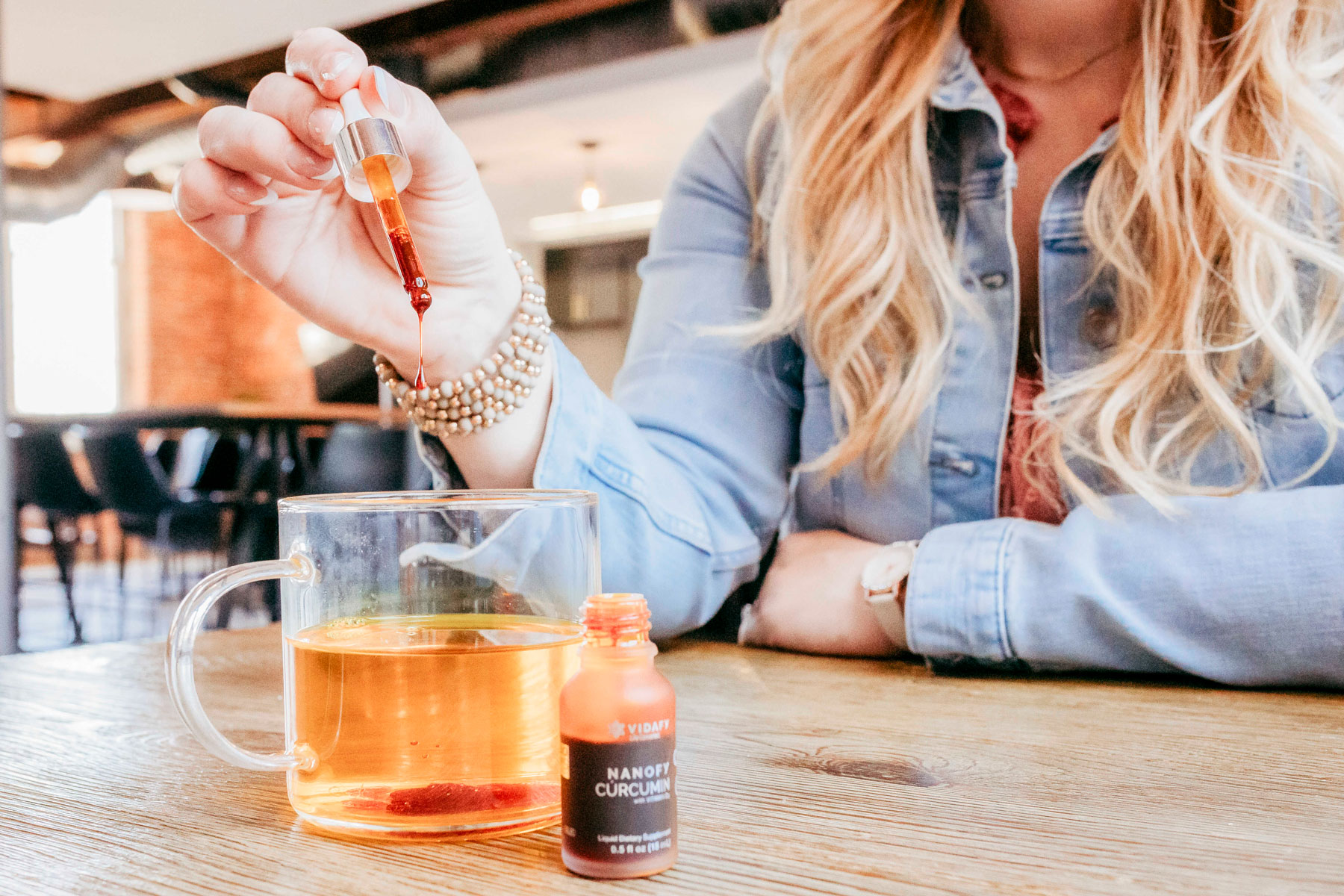
Thoughtful supplementation
Consider individual nutritional needs with a healthcare professional. Supplements complement a varied diet and may interact with medicines.4
Make space for stress management, social connection and regular health care, too. Choose one manageable habit to begin with.
Awareness helps you ask better questions.
Notice your routines, keep track of changes and discuss persistent concerns with a healthcare professional. When testing is appropriate, results should be interpreted alongside your symptoms and health history.
COR One™ is part of VIDAFY’s approach to wellness awareness. Learn about the device and ESR tracking, including the importance of interpreting readings in context.
Common questions.
Is all inflammation harmful?
No. Inflammation is part of the body’s normal response to injury or infection. Concern arises when it occurs inappropriately or persists. Its cause and context matter.1
Can I tell whether I have chronic inflammation?
How you feel alone cannot establish that diagnosis. Inflammation can occur without obvious symptoms, while symptoms can have many causes. A healthcare professional can decide whether an evaluation or testing is appropriate.1
What can an ESR reading tell me?
ESR can contribute information about inflammatory activity. It does not identify the cause by itself or provide a complete assessment of health. Results belong in a conversation that includes symptoms, medical history and any other relevant tests.5
When should I seek professional advice?
Speak with a healthcare professional about persistent or unexplained symptoms, or unexpected test results. Do not use a supplement or a home reading to delay medical care or change a prescribed treatment.
This page provides general educational information, not personal medical advice. Consult a qualified healthcare professional about symptoms, test results, medicines and supplement use.
Live Better. Longer.
VIDAFY brings together health education, thoughtful nutrition and informed awareness within a broader approach to well-being. See how our foundations work together.
Love Life. Live More.